
Call Us Today!
How to Design a Landscape That Thrives With Minimal Watering
How to Design a Landscape That Thrives With Minimal Watering
Water bills only seem to keep climbing every summer, and regularly watering your lawn and plantings can make them only escalate higher. At a certain point, you may begin to wonder, is this even worth it? Many Northwest Indiana homeowners pour gallons into thirsty lawns and fussy plants, only to watch them inevitably wilt during the next dry spell. If you’re one of the many property owners looking for ways to have a beautiful yard without draining your wallet, know that there are options for you. These include:
- Using native, drought-hardy plants
- Utilizing mulch cover
- Minimizing lawn space with carefully placed plantings
At Cutting Edge Landscaping, we’ve helped residential and commercial customers across Northwest Indiana build outdoor spaces they can be proud of and truly enjoy. We know that a water-wise landscape isn’t just easier to maintain; it’s also smarter and more sustainable.
What Plants Need the Least Water in the Midwest?
The secret to a low-water yard starts with the right plants. Native species are already adapted to local soil and weather, so once established, they usually need far less water and attention than non-native varieties. They also handle our extreme weather better and support local pollinators and beneficial wildlife. A few of these varieties include butterfly weed, prairie dropseed, purple coneflower, and aromatic aster. Choose native plants suited to your yard’s specific light and soil conditions, and you’ll spend less time with the hose and more time enjoying the view.
How Does Mulch Reduce Watering Needs?
Mulch is one of the simplest tools for a low-maintenance yard. A 2- to 3-inch layer of organic mulch locks moisture in the soil, keeping your plants hydrated longer between waterings. That means less time watering and a lower bill each month.
If you want to limit your watering even further, consider replacing more patches of grass with mulched planting beds. Lawns are some of the thirstiest features in any yard, so the less turf you have, the less water you’ll use.
What Are the Best Low-Water Design Strategies for Busy Homeowners?
You don’t need to be a gardening expert to design a water-wise yard. Implementing a few smart strategies can make all the difference. Consider:
- Grouping plants by water needs. Place thirsty plants together and drought-tolerant ones in their own zone. This way, you water more efficiently.
- Shrinking the lawn. Swap high-maintenance turf for native beds, ground cover plants, or even hardscaping like patios and walkways.
- Adding a smart irrigation system. A well-designed irrigation setup delivers water exactly where and when it’s needed, with limited waste.
Each of these moves can help you save water, cut your maintenance time, and boost your property’s curb appeal.
Start Building Your Low-Water Landscape Today
A landscape that thrives with minimal watering often comes down to native drought-tolerant plants, generous mulching, and a thoughtful design. Together, they save you water, money, and weekend hours, all while keeping your yard beautiful throughout the seasons.
Ready to transform your outdoor space into a sustainable, low-maintenance retreat? The team at Cutting Edge Landscaping regularly designs eco-friendly landscapes built to thrive in Northwest Indiana. Request a free estimate today to start the design process!
Reviews
Max did an outstanding job handling the landscaping/irrigation for our new build. We have received countless compliments on how nice it looks. He was incredibly…
Mark

Awesome job with our backyard & sprinkler repairs!
Damein
We are thrilled with the work Max and his crew at Cutting Edge did on our front landscaping! They completely transformed the look of our…
Kathy F.
Cutting Edge did a wonderful job on our new build landscaping! Max was super professional and worked well with our budget. We highly recommend them!
Jill
We love Cutting Edge and have been using them for multiple services for years. Max and Maria are the best! Their seasoned staff has plenty…
TP M.
I moved into Mill Creek Villas about two years ago and Cutting Edge has been our landscaper. And he does the following services for us:…
Jerome P.
You May Also Like Other Posts
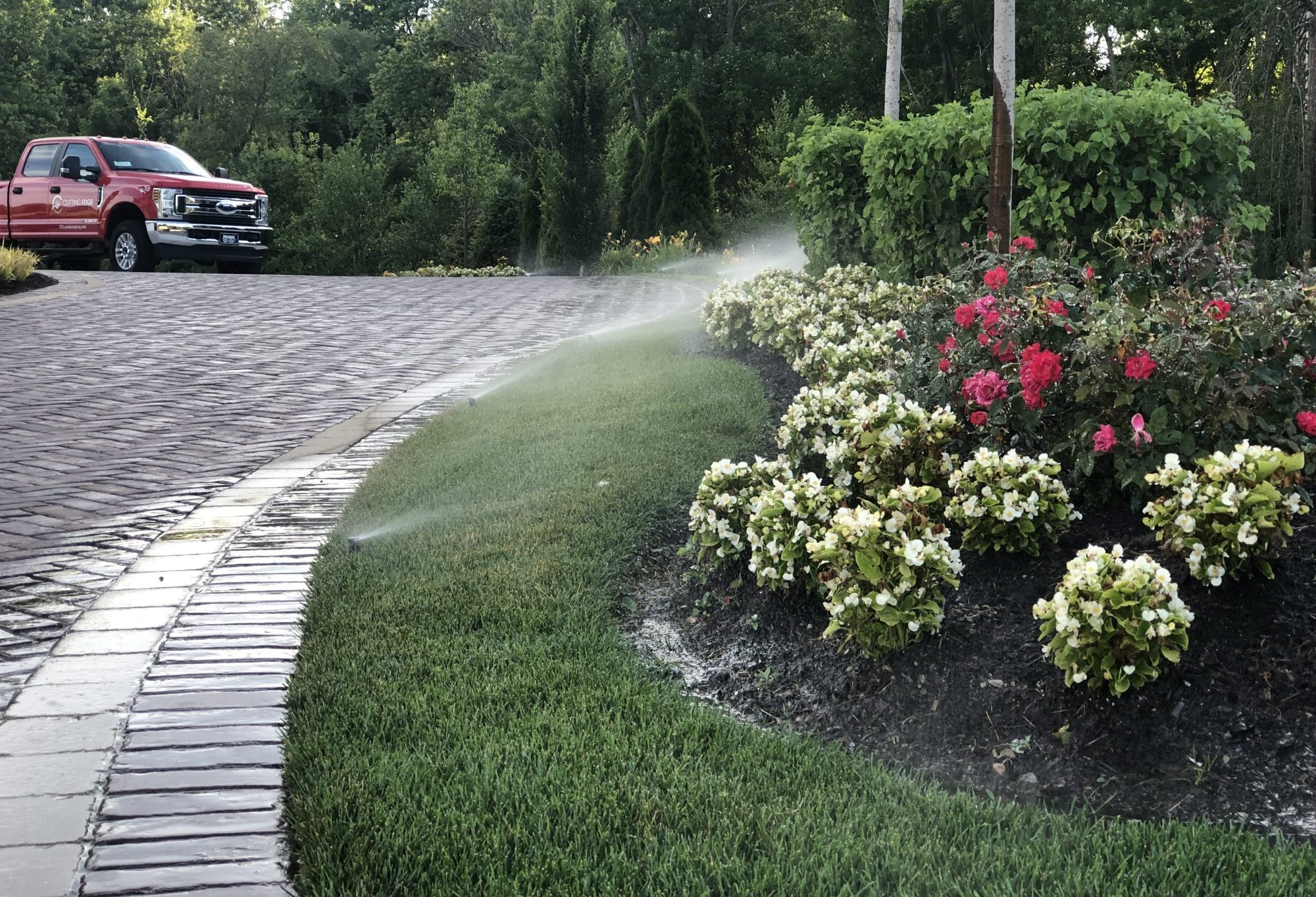
How to Design a Landscape That Thrives With Minimal Watering
Water bills only seem to keep climbing every summer, and regularly watering your lawn and plantings can make them only escalate higher. At a certain point, you may…
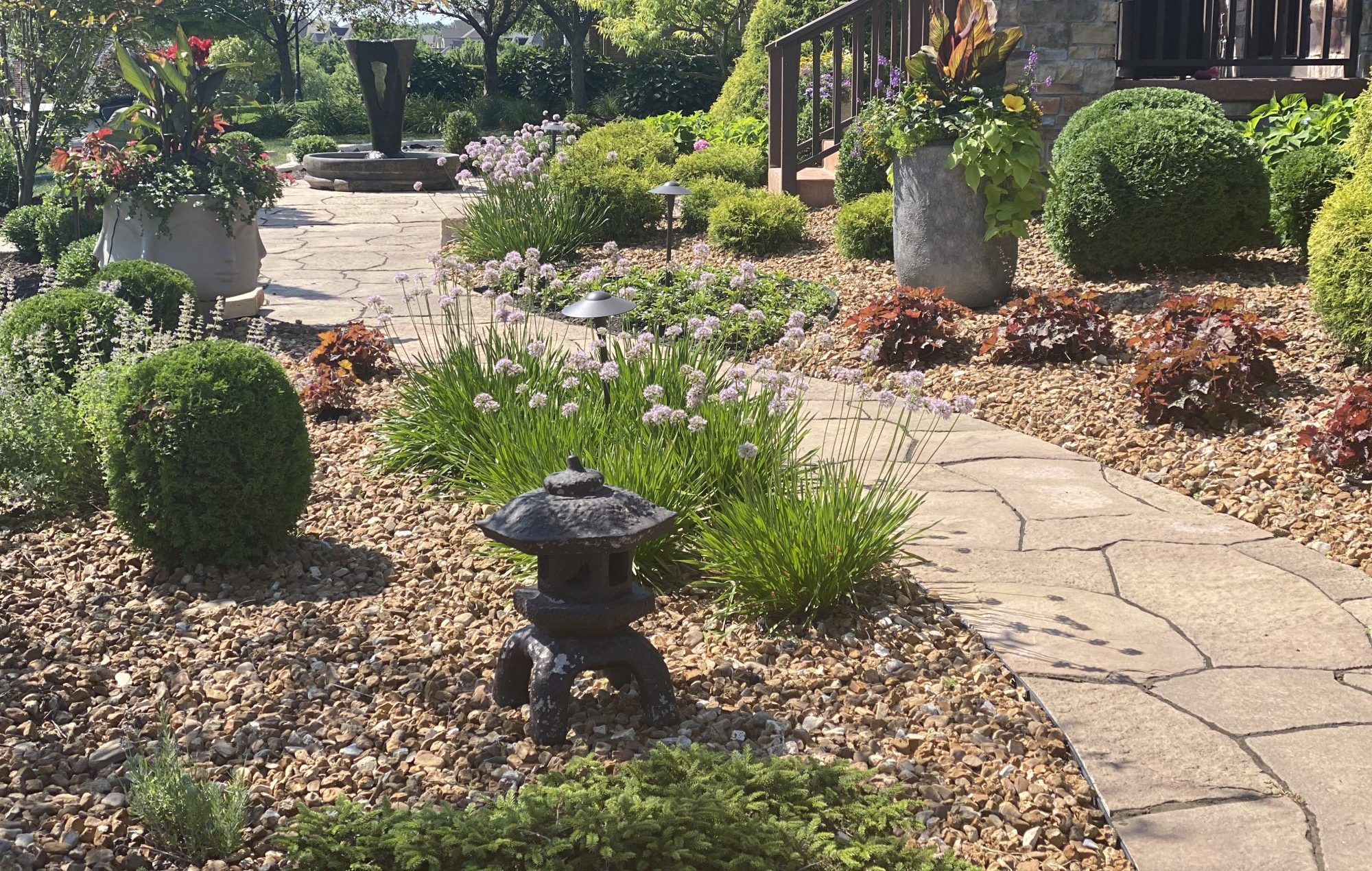
What Are the Best Lawn Alternatives to Grass?
A perfectly green, lush grass lawn is a traditional sign of homeownership. Maintaining this green space, however, requires significant time, water, and energy. Many busy property owners now…
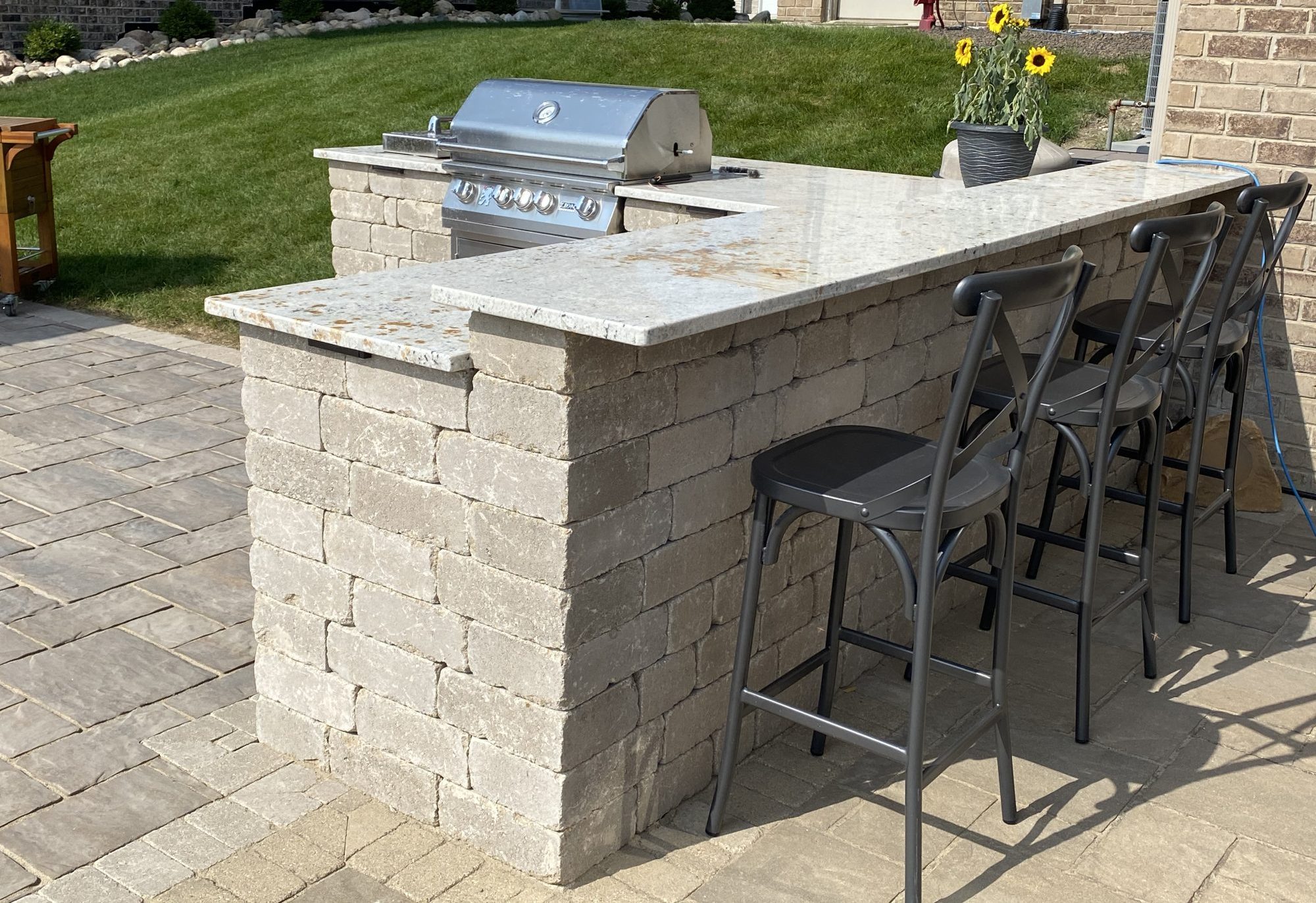
Creative Outdoor Kitchen Additions to Elevate Your Entertaining
Gathering your friends and family for a backyard meal is a wonderful way to enjoy the warmer seasons in Northwest Indiana. Constantly running inside to check the oven…
Request a Landscaping Estimate
Have questions, comments, or need some help with your next project? Fill out the form below and
we will have one of our team members give you a call as soon as possible.
Send Mail To
PO Box 384, St. John, IN 46373
FOLLOW US ON
Call Us
219.365.9766
Email Us
info@cuttingedgelandscaping-in.com
The information on this website is for informational purposes only; it is deemed accurate but not guaranteed. It does not constitute professional advice. Testimonials are not a guarantee, warranty or prediction of what your experience with us will be. By providing contact information, users acknowledge and give explicit consent to be contacted via the methods of communication provided, including SMS. Message and data rates may apply. Message frequency may vary. Reply STOP to opt out.
NUVEW | Copyright 2026 All Rights Reserved | Accessibility Notice | Privacy Policy